
Why Your Breaker Keeps Tripping (And When to Stop Resetting It)
Three causes, one of which means you put the flashlight down and call an electrician.
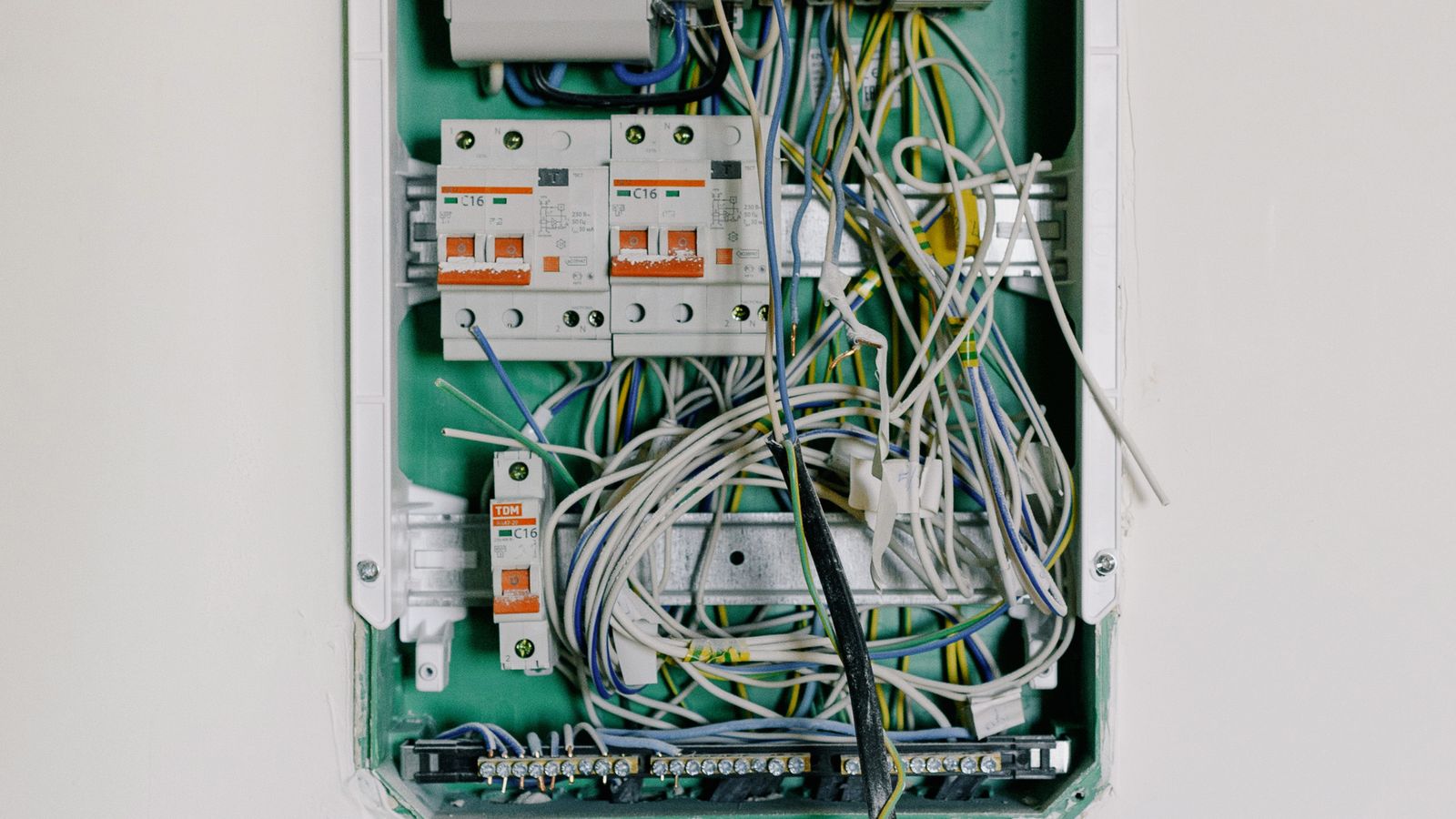
You run the microwave and the space heater on the same kitchen circuit, and the room goes dark. You walk to the panel, flip the breaker back, and it holds — for a minute — then trips again. It's easy to get annoyed at the breaker. Don't. It's the one part of your electrical system doing exactly its job: cutting the power before a wire gets hot enough to start a fire.
A breaker doesn't trip to inconvenience you. It trips because something drew more current than the wire behind the wall can safely carry. Your job isn't to make it stop tripping — it's to find out why, because the tripping is the safety feature working.
The three reasons a breaker trips
- Overload — by far the most common. Too many power-hungry things running on one circuit at once: a space heater plus a microwave, a hair dryer plus a curling iron, a window AC plus a vacuum. Together they pull more current than the circuit's rating (usually 15 or 20 amps), the wire starts to warm, and the breaker cuts out to protect it. This is the everyday, harmless kind — the fix is spreading the load out.
- Short circuit. A hot wire touching a neutral or ground wire directly, letting a huge surge of current flow with nothing to slow it. It's usually inside a damaged appliance cord, a failing outlet, or a bad connection, and it trips the breaker hard and instantly the moment the circuit is energized.
- Ground fault. Current leaking out of its intended path to ground — often through moisture. This is the dangerous-around-water scenario that GFCI outlets (the ones with TEST and RESET buttons in kitchens, baths, garages, and outdoors) are built to catch and cut in a fraction of a second.
Track down an overload yourself
If it only trips when you're running a lot at once, it's almost certainly an overload, and you can corner the culprit safely:
- Unplug everything on the dead circuit — walk the rooms it feeds and pull every cord.
- Reset the breaker fully. Push it all the way to OFF first, then firmly back to ON. Half-resets are why a breaker sometimes seems like it "won't reset" — it has to click completely off before it'll re-arm.
- Add things back one at a time, giving each a minute of running, until it trips.
- The item (or combination) that trips it is your answer. Move a big draw to a different circuit, or simply don't run it at the same time as the other heavy user.
Stop and call an electrician if the breaker trips the instant you reset it with nothing plugged in, if it feels hot to the touch, if you smell burning or scorched plastic, or if the panel buzzes or crackles. Those point to a short or a wiring fault inside the wall — not something to keep resetting.
Check for a tripped GFCI first
If the outlets that died are in a kitchen, bath, garage, or outdoors, you might not have a breaker problem at all — a GFCI outlet may have tripped. Find the outlet with the TEST and RESET buttons (one can control several outlets downstream of it) and press RESET. If it won't reset or pops again right away, there's moisture or a fault worth chasing down.
Never "fix" a nuisance trip by putting in a bigger breaker. The breaker is sized to protect the exact wire behind it. Go bigger and you've removed the protection — now the wire can overheat before anything trips, and that genuinely starts house fires. If a circuit is truly overloaded for how you live, the real fix is a new circuit run by an electrician.
The newer breaker that trips for a different reason: AFCI
If the tripping breaker feeds bedrooms or living areas in a newer home, it may be an AFCI (arc-fault) breaker — often marked with a little TEST button right on the breaker itself. These are built to catch the tiny arcing that frayed cords and loose connections make, before it starts a fire, and they're genuinely good protection. But they also nuisance-trip on some ordinary appliances — certain vacuums, treadmills, and older motors throw electrical "noise" that looks like an arc to the breaker. If one circuit trips every time you run one specific device, and that device runs fine on other outlets, an AFCI reacting to that motor is a likely culprit. It's still worth mentioning to an electrician, since a genuinely loose connection trips them the same way.
Label your panel while you're in there
However this shakes out, spend ten minutes mapping the panel. Have someone plug a lamp or radio into each outlet while you flip breakers one at a time, and write what each one controls on the panel door. Next time something trips, you'll know exactly which room went dark and what's on that circuit — instead of standing at the panel flipping switches and guessing.
When to call a pro
Repeated instant trips, any burning smell, warm cover plates, or a panel that's hot or noisy all mean stop and get a licensed electrician. Overloads you can manage yourself; faults you can't see inside the wall are how people get hurt.
Keep going
If Your House Keeps Making Cracking Sounds, Here's When to Worry
Most pops are harmless. Two of them aren't — here's how to tell them apart.
How to Patch Drywall So You Can't Tell It Was Ever Broken
Three thin coats and one trick beat one thick glob every time.
The Real Reason Your Water Heater Runs Out of Hot So Fast
Usually it's sediment stealing your tank — and you can flush it in an afternoon.