
The 7 Tools Every House Needs (And 3 That Are a Waste of Money)
Buy these seven well, skip the gimmicks, and you'll handle 90% of home jobs.
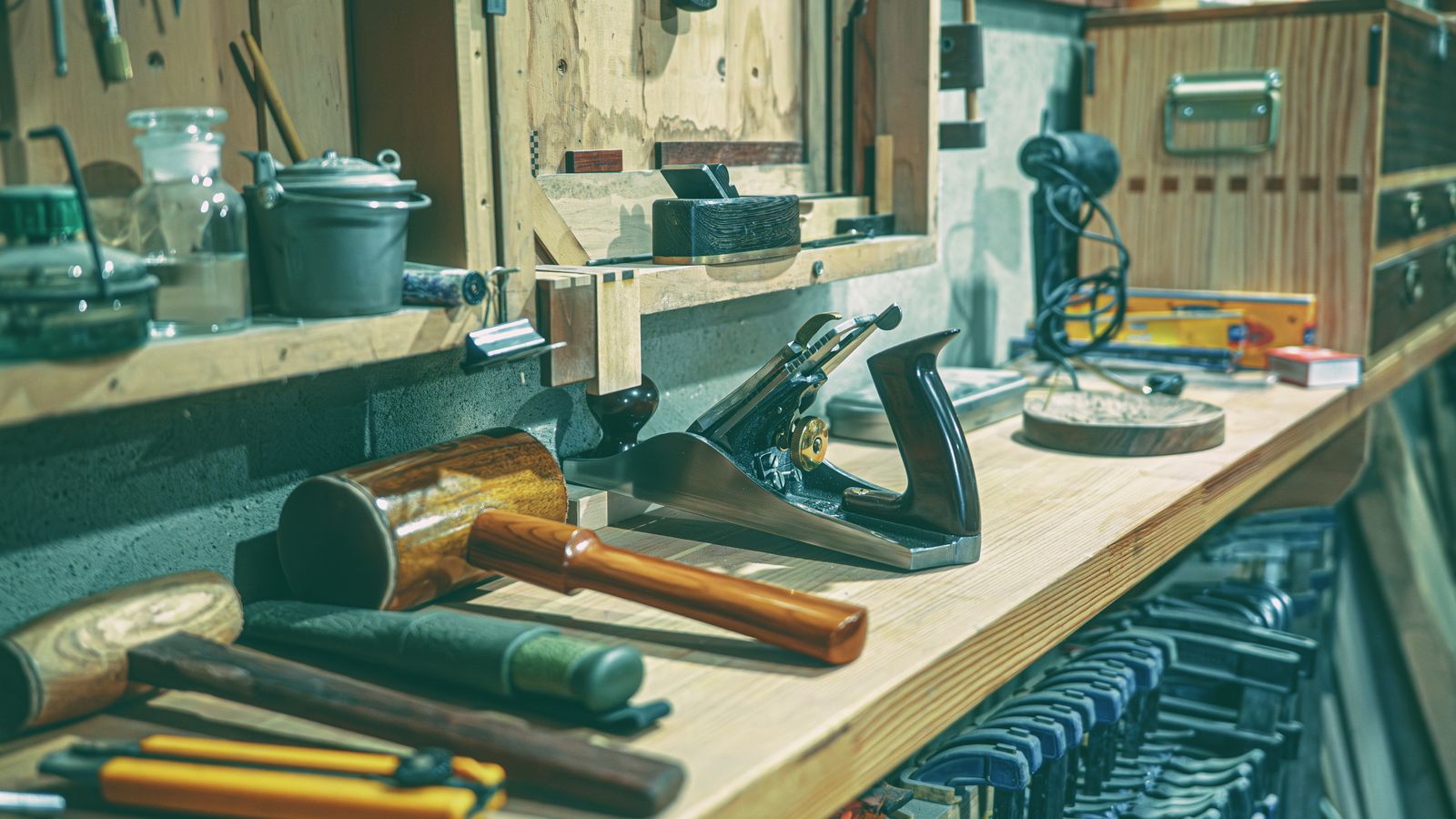
Stand in the tool aisle long enough and a shiny 200-piece kit starts to look reasonable — right up until you get it home and use twelve of the pieces, ever. You don't need the wall of tools. A short, honest list handles the vast majority of what a house throws at you, it won't cost much, and it'll spare you a drawer full of soft-metal gadgets that strip and round off the first time you actually lean on them.
Buy quality on the few tools your hands are on constantly, and don't overthink the rest. A good drill and sharp blades do more for you than a giant kit of cheap metal that fails under the first real load. Below are the seven worth owning, the three worth skipping, and how to tell where to spend.
The seven to own
- An 18–20V cordless drill/driver. The one tool to spend real money on. It hangs curtains and shelves, assembles furniture, and drives every screw in the house, and a good one lasts a decade. A brushless model with two batteries is worth the extra — more power, longer runtime, and it won't be dead the moment you need it.
- A 25-foot tape measure with a stiff, wide blade that stands out several feet on its own before it folds. A flimsy tape that collapses the instant you extend it makes every measuring job a two-person chore.
- Levels — two of them. A short torpedo level for quick jobs and tight spots, plus a 2- to 4-foot for shelves, pictures, and cabinets. A picture hung by eye is obvious; one hung with a level is invisible.
- An adjustable wrench (ideally two sizes). It handles plumbing nuts, bolts, and fittings of nearly any size without committing to a full socket set on day one.
- A utility knife and a pack of fresh blades. It opens boxes, scores drywall, and trims caulk — but a dull blade is a slip waiting to happen, so change them the moment they start to drag.
- A stud finder, so the heavy stuff you hang lands on framing and actually stays on the wall instead of tearing out of the drywall six months later.
- A screwdriver and pliers set: Phillips and flathead in two sizes, a pair of needle-nose, and a pair of channel-lock pliers. Between them they turn, grip, and pull most of what comes up.
How to judge quality without overpaying
You don't need the priciest brand, but two things separate a tool that lasts from one you'll rebuy: the feel in your hand — a wrench or driver that flexes or feels hollow is soft metal that'll round off — and the cutting or driving edge, since cheap bits and blades dull or cam out fast, chewing up screws and knuckles. Hold it, work it, and trust that a mid-priced tool that feels solid beats a bargain one that doesn't.
The three to skip
- "As seen on TV" multi-tools. Jack of all trades, master of none — they do ten jobs badly and none well.
- The cheapest giant combo kit. The metal is soft: screwdrivers cam out, sockets round off the first hard turn, and you'll end up rebuying the handful of pieces that matter anyway.
- A laser level for everyday home stuff. It's a fun toy, but a good bubble level does the same job for a fraction of the price on anything you'll actually hang.
Where to spend and where to save, in one line: put the money into the drill and anything with a cutting edge — blades, bits, a saw down the road — and buy mid-range on everything else. The drill is what you'll feel on every single project; a bad one turns a five-minute job into a fight.
Don't forget the boring stuff that makes the tools usable
A few unglamorous items belong right alongside the seven, because the best tools are useless without them. A headlamp or a good flashlight — nearly every repair happens in a dark cabinet, crawlspace, or breaker panel, and having both hands free changes the job. Safety glasses for anything that throws chips or dust; eyes don't grow back. A small assortment of fasteners — drywall anchors, a range of screws, a few picture hangers — so a project doesn't stall for a fifty-cent part. And a box or bag to keep it all in one place; a tool you can't find is a tool you'll rebuy. Spend a few dollars here and the seven core tools actually earn their keep.
And a rule for the occasional big tool: rent before you buy. A tile saw, a floor sander, or a heavy hammer drill costs a fortune to own and then sits idle for years — the hardware store or a tool-rental outfit will loan you a good one for a fraction of the price on the one weekend you actually need it.
Add these as you go
Don't buy for jobs you don't have yet. A caulk gun, a putty knife, a hacksaw, a socket set, a pry bar — pick each one up the first time a project actually calls for it. That's how you end up with a kit of tools you use instead of a drawer full of impulse buys, and how you learn which brands you like before spending big.
Keep going
34 Uses for a Can of WD-40 That Go Way Past a Squeaky Hinge
It frees, cleans, and protects a dozen things around the house — and there are spots to never spray it.
Your AC Froze Into a Block of Ice — Here's the $0 Fix Before You Call Anyone
Nine times out of ten it's airflow, and you can clear it in about ten minutes.
You've Been Using Your Bathroom Fan Wrong This Whole Time
The 2-minute habit change that actually pulls the moisture out — and the mold trap most homes have.