
When to Stop Watering Your Grass Before the First Freeze
Water later than you think — then do the one thing that saves your pipes.
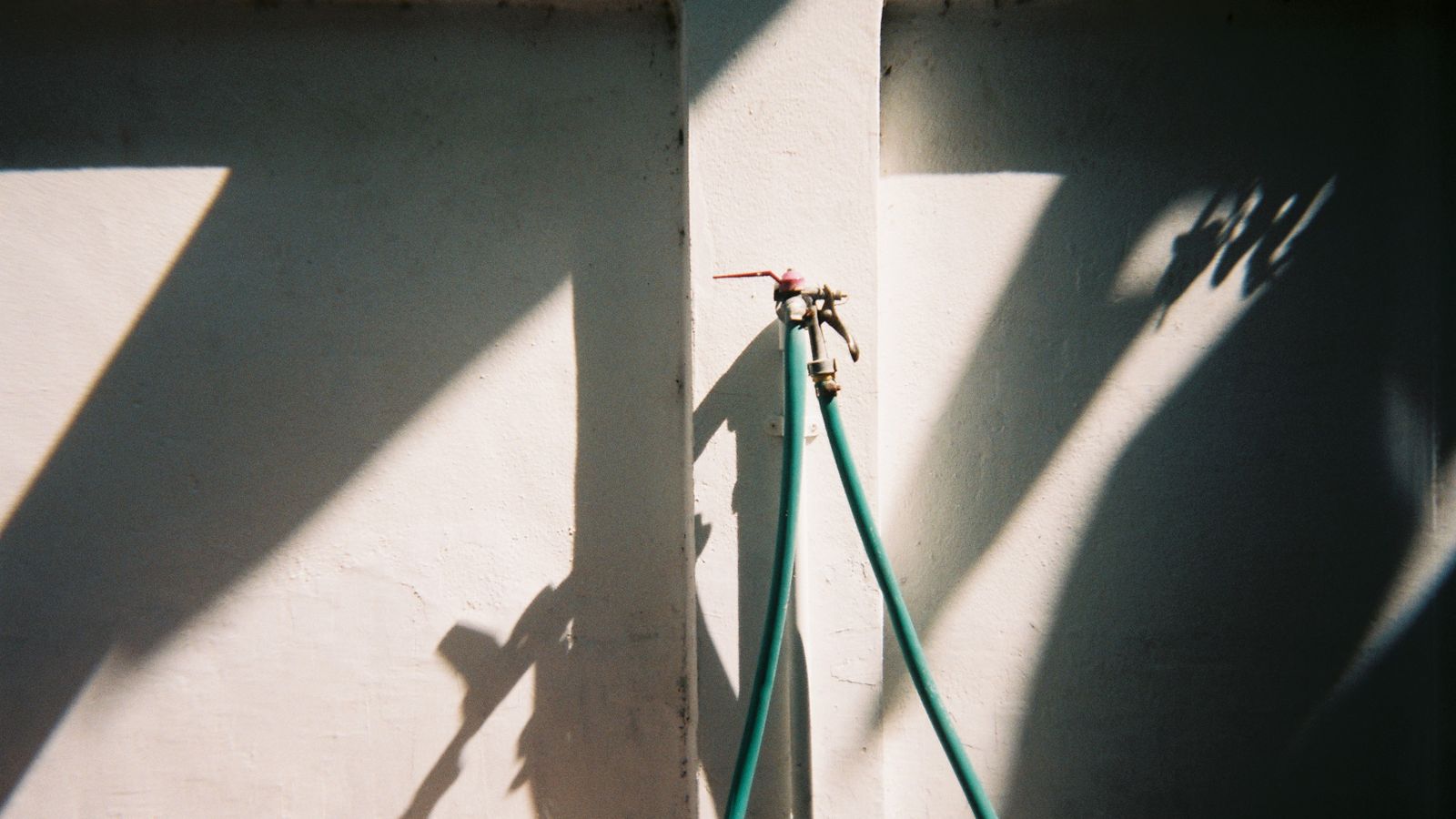
The nights are turning cold, the mowing has slowed to almost nothing, and you're eyeing the hose bib wondering if it's time to shut the water down for the year. Turn it off too early and you send your lawn into winter thirsty and stressed — and buy yourself a spring full of bare, reseeded patches. But there's a second, more important job hiding in that same question, and getting it wrong can cost you a lot more than some brown grass.
Two separate jobs hide inside this one question: when to stop watering the grass (later than you think) and how to winterize the outdoor plumbing so nothing bursts. Do the second one no matter what your lawn is doing — it protects the house, not the yard.
Keep watering until the ground freezes
Grass keeps drinking in cool fall weather, even after it stops growing much on top. Below the surface the roots are still active and storing energy for winter, and a lawn that goes into dormancy well-watered survives the cold far better and greens up faster come spring. So don't shut the water off at the first chilly week. Keep watering — less often but deeply, to push moisture down to the roots — right up until the first hard, ground-freezing frost. That's your stop signal: once the top of the soil begins to freeze, the grass can't take up water anyway.
One adjustment as fall goes on: water in the morning, not the evening, so the blades dry before a cold night — grass sitting wet and cold is an invitation to lawn disease.
Then winterize before the first freeze — this protects the house
This is the part that actually matters. Water left in an outdoor line or a connected hose can freeze, expand, and split a pipe inside your wall — a burst you won't discover until it thaws and quietly floods a room. It's one of the most common and most expensive cold-weather home disasters, and it's completely preventable. Don't skip it.
- Disconnect and drain every hose. A hose left screwed onto a spigot traps water against the valve, and that trapped ice is what cracks the pipe behind it — even on a "frost-free" faucet. Drain the hoses, coil them, and store them empty out of the weather so they last longer too.
- Shut off and drain the outdoor spigots. If you have interior shutoff valves for the hose bibs (often in a basement or crawlspace), close them, then open the outside faucet to let the remaining water drain out. Leave that outside faucet open through winter so any trickle has somewhere to go.
- Blow out an in-ground sprinkler system, or have it done. Water left in those shallow lines and pop-up heads is the classic cause of cracked heads and split underground pipes come spring — a pro with an air compressor clears it in an hour.
Time the last fertilizing right
A fall feeding is genuinely one of the best things you can do for a lawn — it feeds the roots heading into winter and gives you a thicker, greener start in spring. But time it a few weeks before the ground freezes so the grass can actually take it up. Dumped on right before a hard freeze, most of it just washes into the storm drain when things thaw — wasting the fertilizer and fouling the runoff.
Warm-season and cool-season lawns behave differently
How late you water depends partly on what's growing. Cool-season grasses (fescue, ryegrass, Kentucky bluegrass — common in the North) do a lot of root-building in fall and appreciate water right up to the freeze. Warm-season grasses (Bermuda, zoysia, St. Augustine — common in the South) go dormant and brown earlier and need far less water once they've gone off-color; overwatering a dormant warm-season lawn just invites disease. If you're not sure which you have, the simple tell is timing: a lawn that greens up early and stays green into late fall is cool-season; one that browns out at the first real cold and greens late in spring is warm-season. Either way, the plumbing rule above doesn't change — winterize regardless of what your grass is doing.
Two more fall jobs while you're out there
Keep the leaves off. A thick mat of wet leaves left on the lawn all winter smothers the grass and leaves you dead, matted patches in spring. Rake them, or better, mow over a light layer to mulch it back into the soil. And drop the mower a notch for the last cut. Grass left long going into winter tends to mat down and can grow snow mold under a long cold spell, while a slightly shorter final cut helps it overwinter cleaner. Don't scalp it — just take that last cut a bit lower than your summer height.
You're set for winter when every hose is off and drained, the outdoor faucets are shut and empty, and any sprinkler system has been blown out. Do those three and a cold snap has nothing left to burst.
Keep going
Your AC Froze Into a Block of Ice — Here's the $0 Fix Before You Call Anyone
Nine times out of ten it's airflow, and you can clear it in about ten minutes.

You've Been Using Your Bathroom Fan Wrong This Whole Time
The 2-minute habit change that actually pulls the moisture out — and the mold trap most homes have.
How Often to Actually Change Your Furnace Filter (It's Not What the Box Says)
The real schedule depends on your filter and your house — not the optimistic number on the package.