
Why Your Car Battery Won't Hold a Charge (Check This First)
Before you buy a battery, check the two cheap things that fake a dead one.
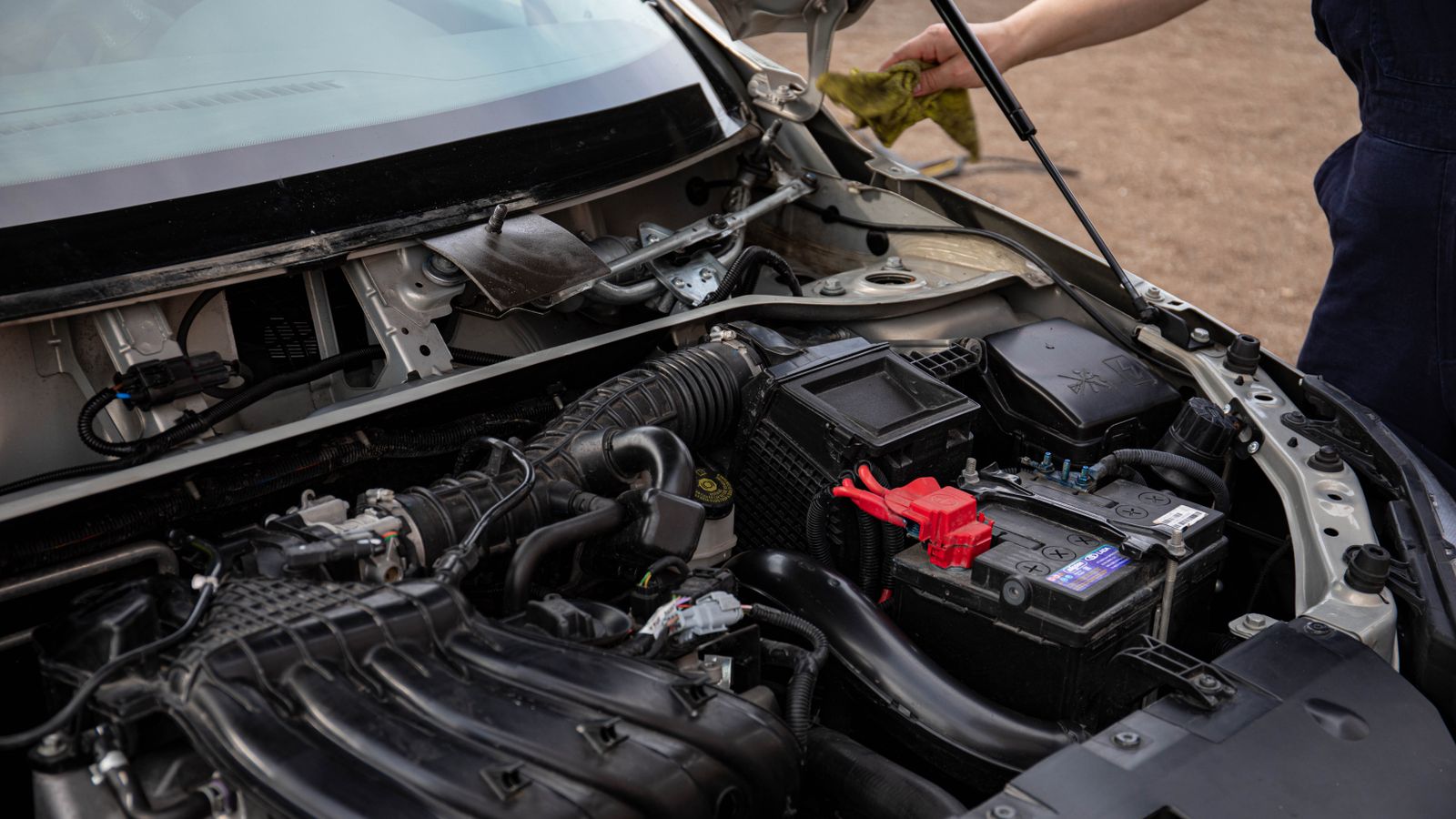
You turn the key and get the slow, laboring crank — or nothing but a rapid click. You jump it, it fires right up, and then two mornings later it's dead again in the driveway. Before you drop a hundred-plus dollars on a new battery, spend ten minutes ruling out the cheap stuff, because a "dead battery" often isn't the battery at all — it's something feeding a bad one or draining a good one.
Two things fake a bad battery more often than a bad battery actually causes them: dirty terminals and a failing alternator. Check the cheap stuff first, then let a $15 meter tell you which one you've really got before you buy anything.
How the charging system works
Your battery has one real job: provide the big jolt of current that starts the engine. After that, the alternator takes over — it recharges the battery and runs the car's electrics while the engine turns. So a battery that keeps dying can mean the battery itself is worn out, or that the alternator isn't putting charge back, or that something is draining it faster than the alternator can keep up. Sorting out which is the whole game, and it's why "just buy a battery" so often doesn't fix it.
Check first — free or nearly free
- Corroded or loose terminals. White, blue, or green crust on the posts chokes the connection so the battery can't deliver or receive current properly. Disconnect the cables (negative first, always), scrub the posts and clamps with a baking-soda-and-water paste and an old toothbrush until they're bright, rinse and dry, then retighten until they don't wiggle at all. This alone revives a surprising number of "dead" batteries.
- The battery's age. Most car batteries last 3–5 years. There's usually a date sticker or a stamped code on top or the side. Past five years it's living on borrowed time, and the first real cold snap will finish it off.
Then the bigger suspects
- A parasitic draw: a glovebox, trunk, or under-hood light that never shuts off, a dash cam, or an add-on gadget quietly pulling power all night until the battery's flat by morning.
- Nothing but short trips that never give the alternator enough run time to replace what starting the car pulled out — the battery slowly falls behind until it can't start the car.
- A failing alternator, the part that's supposed to recharge the battery while you drive. If it's weak or dead, no battery will stay charged behind it.
The 60-second voltage test
A cheap multimeter settles it fast. Set it to DC volts and touch the leads to the battery posts (red to +, black to −):
• Engine off: a healthy, charged battery reads about 12.6 volts (12.4 is so-so; 12.2 or lower is discharged).
• Engine running: it should climb to roughly 13.7–14.7 volts as the alternator charges.
If it doesn't rise once the engine's running, your problem is the alternator, not the battery — and a new battery won't fix it.
Or get it tested free
No meter, or don't want to fuss? Most auto-parts stores will test your battery and your alternator right in the parking lot for free, and hand you a printout of the battery's health. It's the easiest way to stop guessing and know exactly what to replace — battery, alternator, or neither.
How to catch a parasitic draw
If the battery's fine, the alternator charges, and it still drains overnight, something is staying awake when the car is off. The low-tech way to catch it: after the car has sat with everything off, check whether any interior, trunk, or glovebox light is on when it shouldn't be, and that nothing's plugged into a 12-volt socket that stays live. The precise way, if you have a multimeter, is to set it to measure current (milliamps) in line with the disconnected negative cable and watch the draw after the car "goes to sleep" — a normal parked car pulls only a small amount; a big steady draw means a circuit or accessory is stuck on. Pulling fuses one at a time until the draw drops points you to the guilty circuit. Cold makes all of this worse, too — a battery that's marginal in September is the one that's dead on the first hard frost, because cold both saps its cranking power and thickens the oil the starter has to turn against.
If the car just sits, keep it topped up
Batteries hate sitting. A car parked for weeks — a second vehicle, an RV, a seasonal ride — slowly self-discharges until it's too low to start and, worse, sulfates and permanently loses capacity. A cheap trickle charger or battery maintainer left plugged in keeps it full and can genuinely double the battery's life. It's the single best thing you can do for a vehicle that doesn't get driven often.
When it's just the battery
Clean terminals, a reasonable age, an alternator that's charging fine — but it still keeps dying? Then it really is the battery, and swapping one is a 20-minute job (loosen the clamps negative-first, lift it out, drop the new one in, tighten positive last). Bring the old one to the store; they recycle it and usually knock a few dollars off for the core.
Keep going
How to Jump a Car the Right Way (Most People Get Step 3 Backwards)
The last clamp does not go where you think — and it matters for safety.
Your AC Froze Into a Block of Ice — Here's the $0 Fix Before You Call Anyone
Nine times out of ten it's airflow, and you can clear it in about ten minutes.

You've Been Using Your Bathroom Fan Wrong This Whole Time
The 2-minute habit change that actually pulls the moisture out — and the mold trap most homes have.